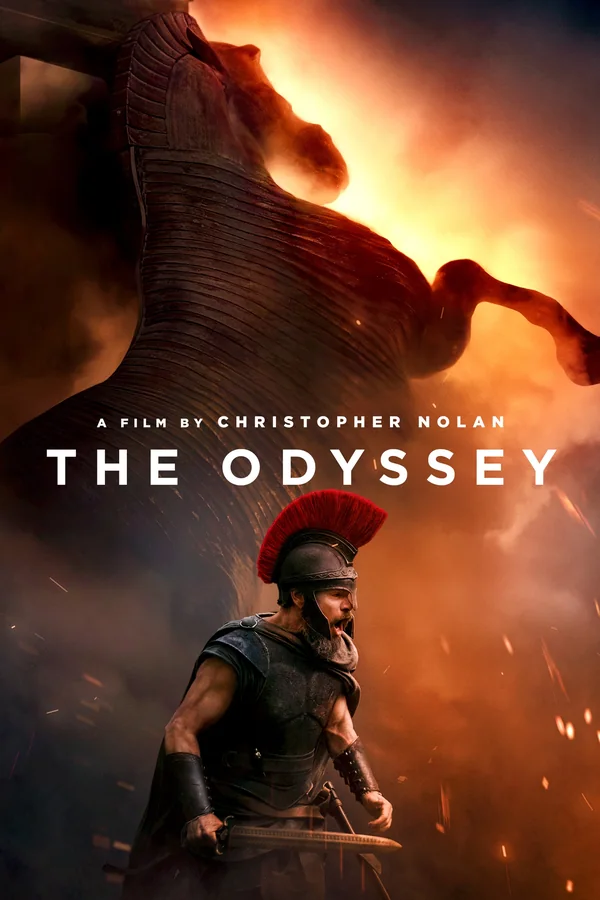
01Film · 2026 · Christopher Nolan
The Odyssey
- HOME
- Ithaca
- Away
- 20 years
- By
- Sea
The Odyssey is the oldest story we have about going home, and Christopher Nolan understands that the sea was never the hard part.
Read

Project · Two films and an essay
Ithaca38.4° N · 20.7° E
Paris, Texas33.7° N · 95.6° W
By Glenn Abraas · 3 pieces · 24-10-2026
Full spoilers for both films, including the endings.

You can be homesick for a place you still live in.
Everything is where it was. The same rooms, the same people, the same routines that used to feel effortless. But somewhere along the way you changed, and the life around you went its own way. Neither waited for the other. You come home and it feels like a visit.
I found that feeling in two films I saw close together. In The Odyssey, Odysseus has been away from Ithaca for twenty years. When he finally arrives, he is a stranger in his own house. In Paris, Texas, Travis walks out of the desert after four years, back to a family that carried on without him and a son who grew up without him. Two men who find out that arriving is not the same as coming home.
I believe a film is not finished when the credits roll. What it does to you depends on what you bring into the theatre. I walked in carrying a question without knowing I had it with me. Only later did I understand why these two stories stayed. That is what this project is really about: what the narrative of a film can do to the way you feel and think, long after it ends.
01Film · 2026 · Christopher Nolan
The Odyssey is the oldest story we have about going home, and Christopher Nolan understands that the sea was never the hard part.
Read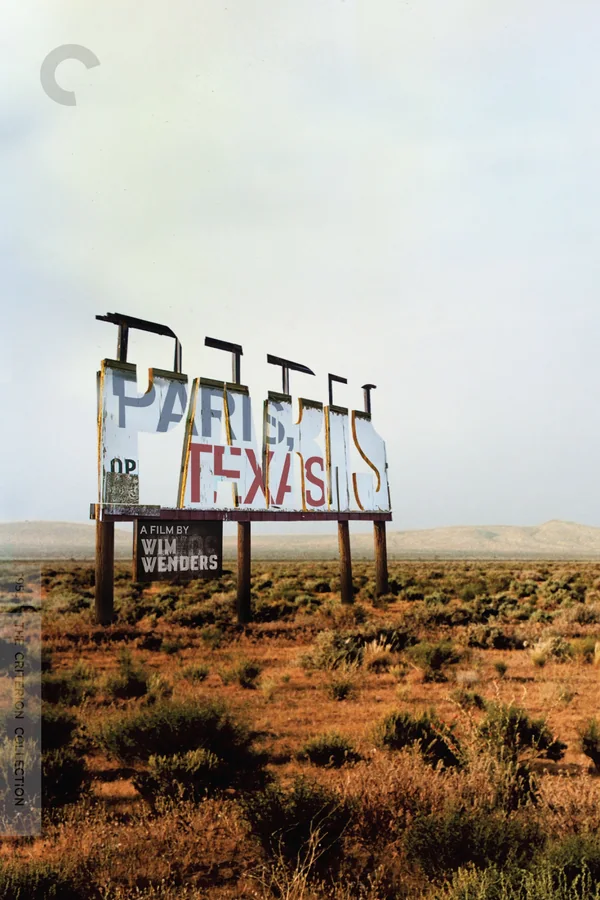
02Film · 1984 · Wim Wenders
Travis is not a stoic hero coming back from somewhere. He is a man who has lost his voice, because language stops where the damage starts.
Read03 · Essay
I set out to write about homecoming. Somewhere in the writing I realised I was not sure where mine was.
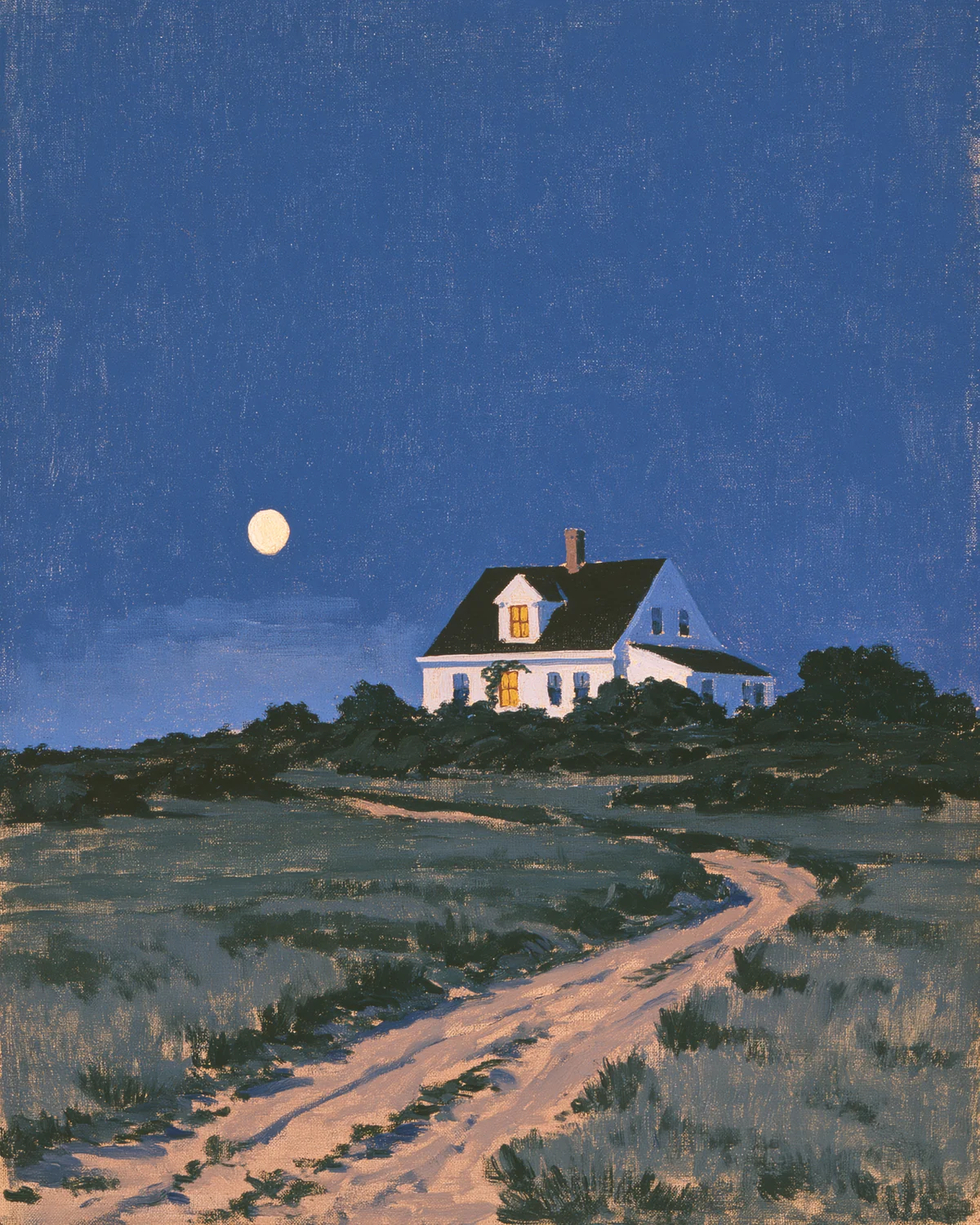
ReadI still say I am going home. I am just not sure that is true anymore.
The aim of this project was never to review two films. It was to show what the narrative concepts of film can do to the way a person feels and thinks, and to show it through storytelling rather than argument.
On paper, concepts like a journey, a return or an exile are abstract. On screen they become concrete: a man on a staircase, a pane of one-way glass. A feeling that is hard to name in real life is given a structure, and what has a structure can be followed and understood. A story also offers a model, a set of choices played out in full. Holding your own situation up against it does not produce an answer, but it does produce perspective, a distance that is rarely available from within your own life. And because the images are fixed while the viewer is not, the same story can leave one person untouched and change how another understands themselves.
This project is an example of that process rather than a study of it. The films are the lens; the essay is what the lens was pointed at.
Glenn
The Odyssey · Paris, Texas · I Just Do Not Live There Now