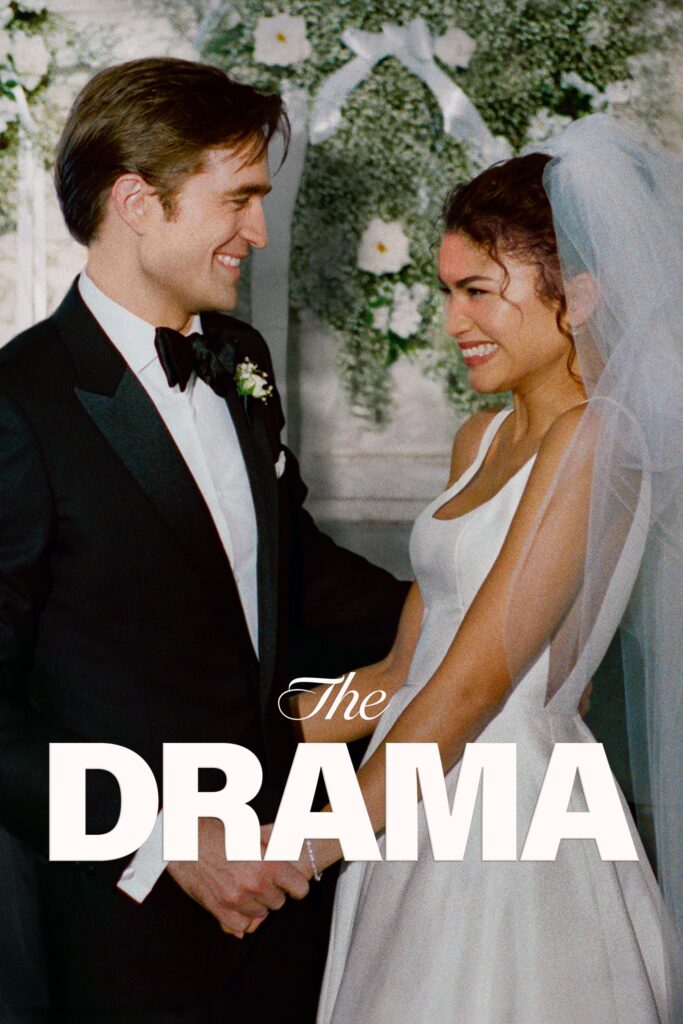
The whole movie starts on one dinner scene and the order things come out. The screenplay understands that sequencing is everything, and it builds the escalation with real care.
Mike admits he used an ex-girlfriend as a human shield during a dog attack. Uncomfortable, cowardly, but the table absorbs it and moves on. Charlie confesses to cyberbullying a kid so relentlessly in high school that the family had to move towns. Heavier, but the group processes it with some visible discomfort. Then Rachel drops that she locked a mentally disabled child in an abandoned trailer closet and left him there.
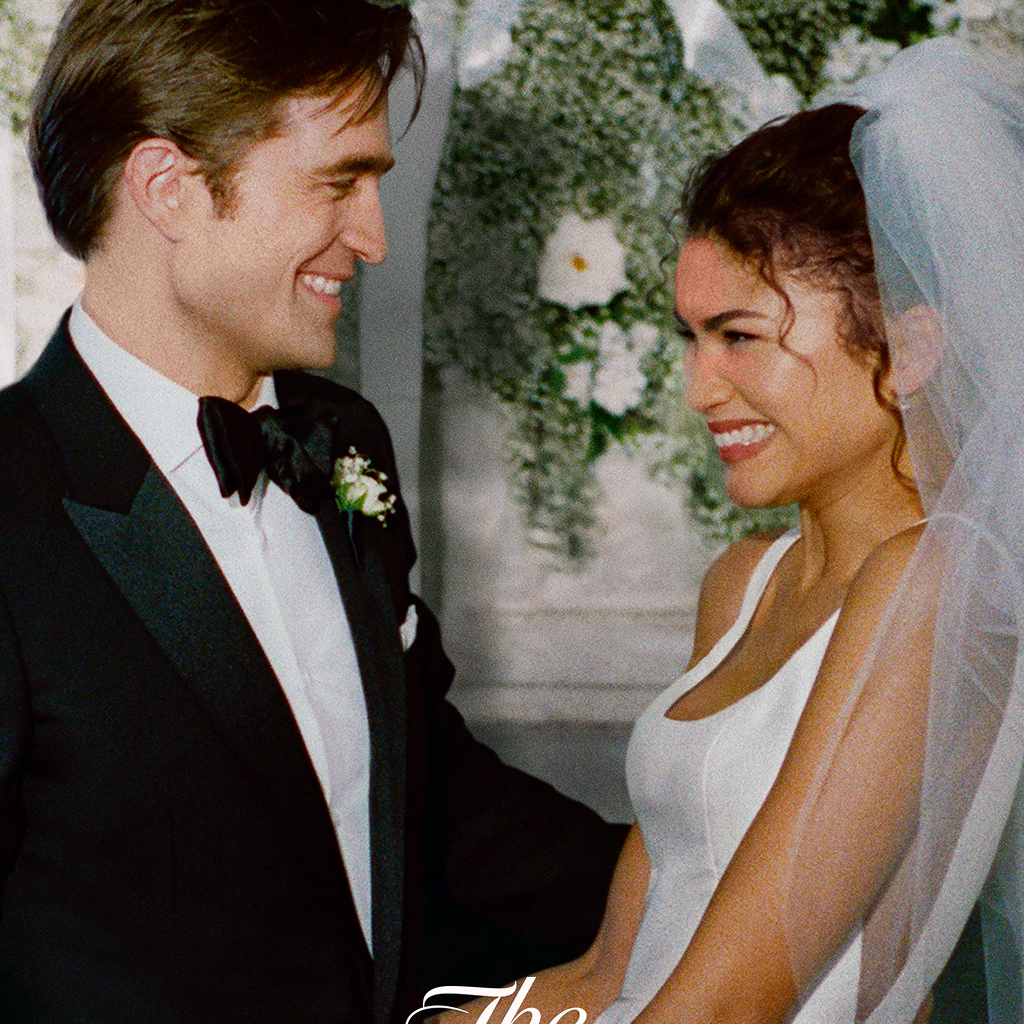
The room hasn’t recovered from that when Emma’s turn comes. Zendaya plays the buildup with visible, drunk anxiety, the kind of fidgeting that makes you brace for impact. And what she says rips the floor out: as a deeply isolated, lonely 15 year old, she planned a school shooting. She went into the woods and practiced with her father’s rifle. She practiced so much without ear protection that she blew out her eardrum. That quirky “deaf in one ear” thing that Charlie found charming on their first date? That’s not a random accident. That’s evidence of her preparing for a massacre.
The reason she stopped is almost more disturbing. On the exact day she brought the gun to school, another mass shooting happened at a local mall. She backed out because she didn’t want to be upstaged. Not because of empathy. Not because of fear. Because someone else beat her to it. The tragedy ironically swept her into a gun-control advocacy group that gave her the friends and community she’d been missing, and that belonging basically cured the isolation that was driving her in the first place. In her mind, she never pulled the trigger, so she didn’t do anything wrong.
Here’s where the screenplay gets really smart. This should make Emma the villain. Instead, the movie instantly makes her the most sympathetic person in the room, and it does it through Rachel’s reaction. Rachel, the woman who locked a disabled child in a closet, erupts with self-righteous fury so extreme that your sympathy swings immediately. You’re suddenly rooting for the person with the darkest secret because the person screaming loudest about it did something genuinely horrible herself and can’t see the irony. The movie gets something uncomfortable about how people work: the worst person in the room isn’t always the one with the worst secret. Sometimes it’s the one who’s loudest about everyone else’s.